

+91 9904512277


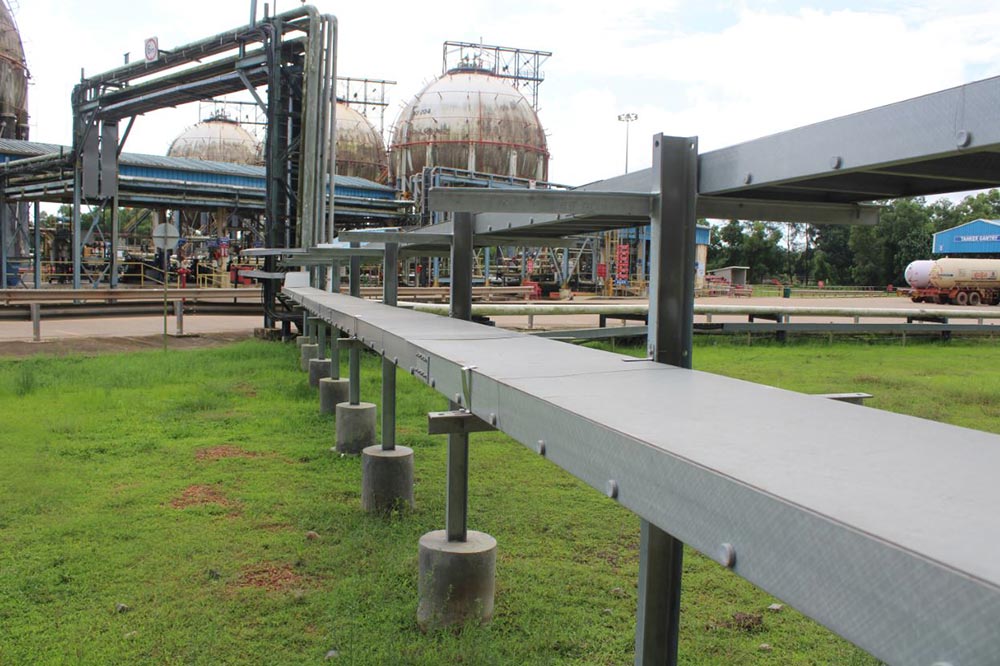
Most engineers who specify FRP cable trays have been down the road of corroded steel trays first. It's a familiar story, a coastal plant, an offshore facility, or a chemical area where the steel or GI cable trays looked fine at installation, then started rusting within two years, and by year five were sagging, cracked at the joints, and holding cables in positions the original design never intended. Replacing a cable tray in a live plant is expensive and disruptive. That's why more projects are specifying fibreglass cable trays from the start.
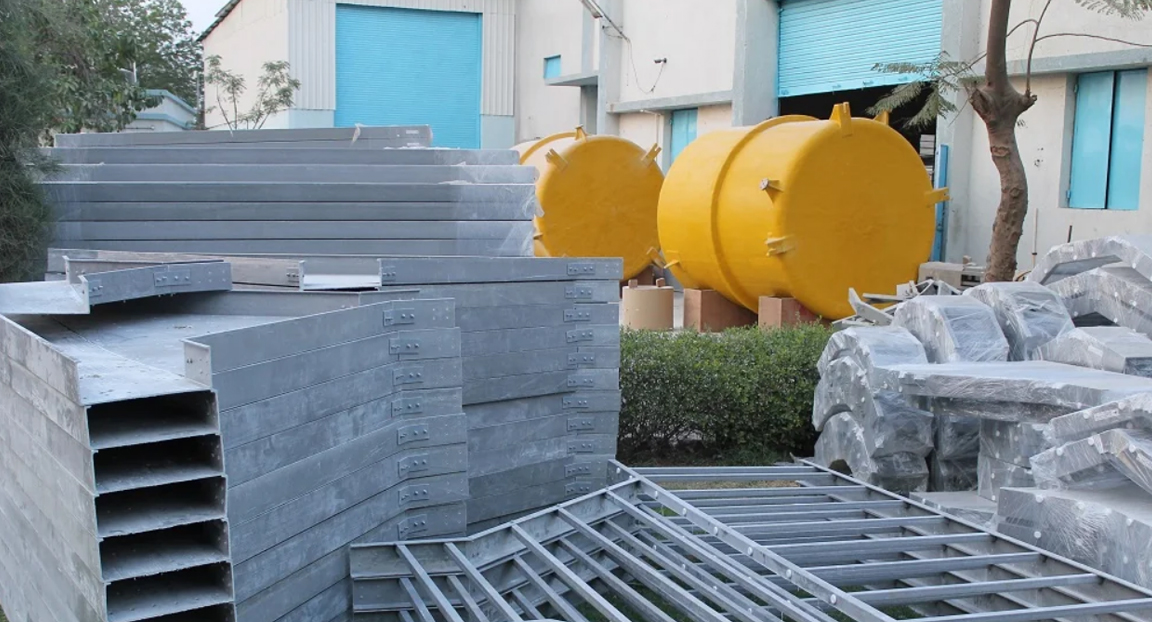
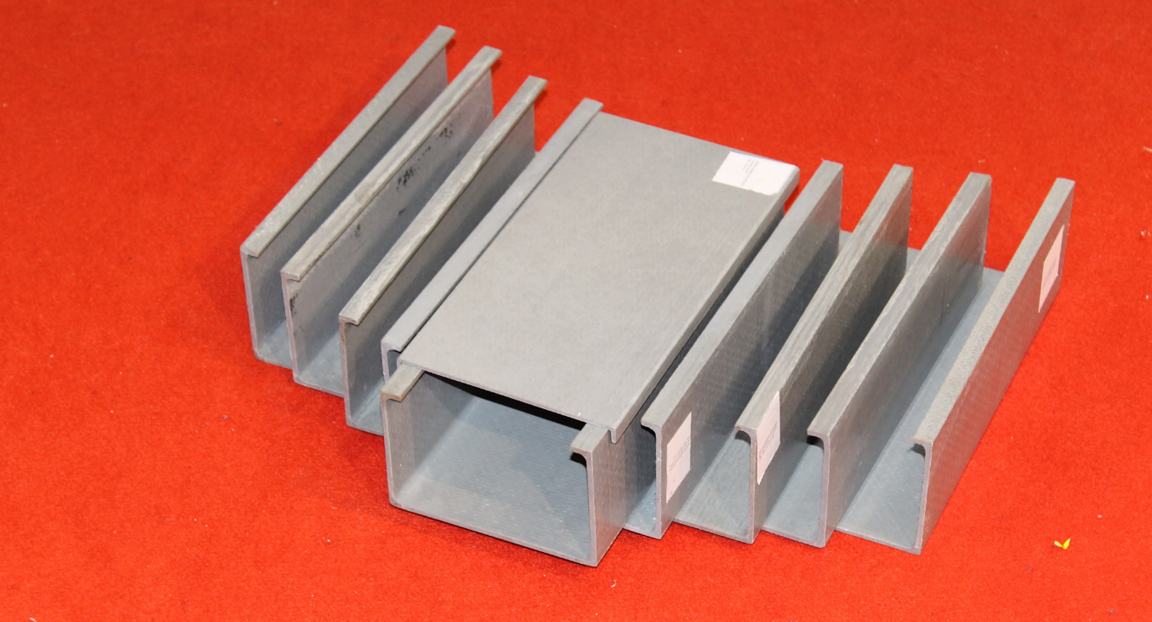
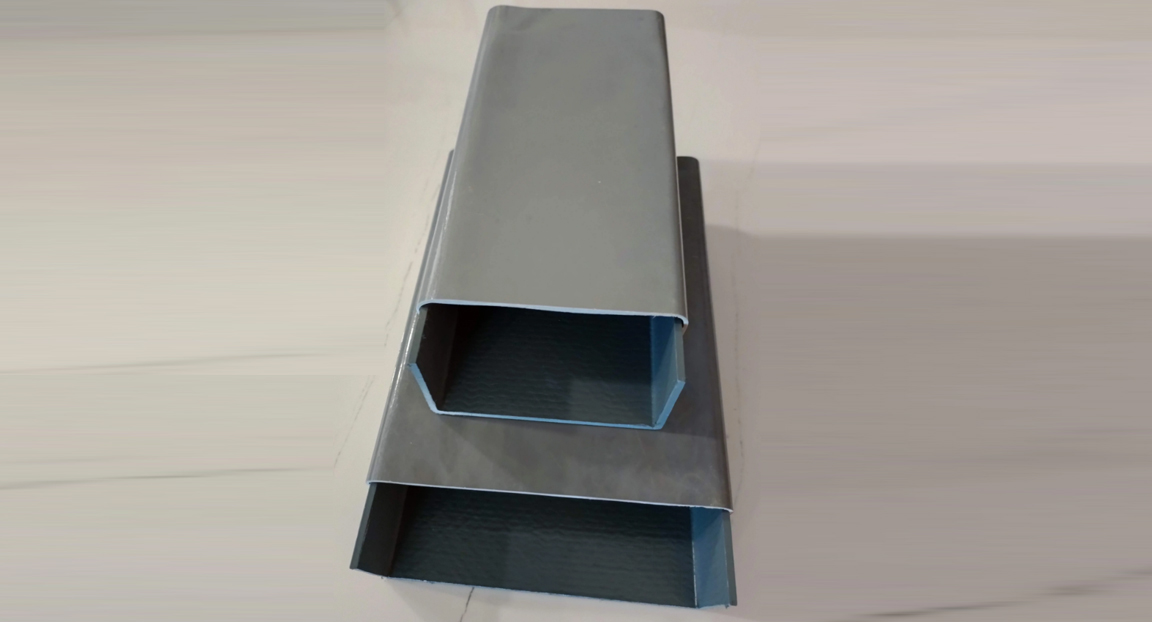
At AMROCK, we manufacture a complete range of GRP cable trays and fittings, straight sections, horizontal and vertical bends, tees, crosses, reducers, and risers, in isophthalic polyester and vinyl ester resin systems. The trays are pultruded for consistent dimensional accuracy and mechanical properties, and supplied with all the fittings and hardware needed for a complete cable management installation without a single metallic component.
We work with EPC contractors, electrical consultants, and project procurement teams on projects ranging from single building cable management systems to full topsides cable installations on offshore platforms. Whatever the scale, the starting point is always the same, the right tray specification for the specific environment and cable loading.
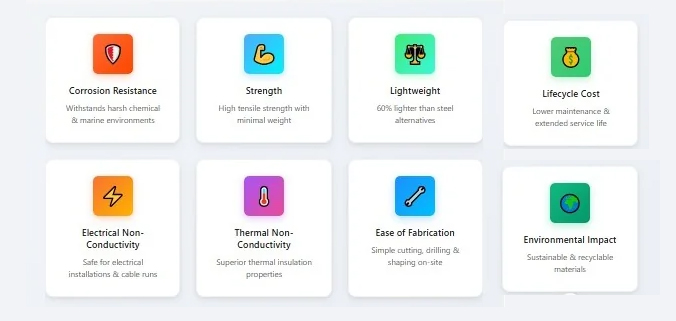
Steel cable trays need a protective coating to resist corrosion. In mild environments, that coating lasts. In coastal, offshore, chemical, or high humidity environments, it doesn't, and once the coating fails, the steel corrodes rapidly. Corrosion resistant FRP cable trays don't have this problem. The glass resin composite is chemically resistant by its very nature. There's no coating to fail, no zinc to deplete, no primer to check during maintenance inspections.
Beyond corrosion, the electrical non conductivity of FRP is critical in many applications. Steel cable trays can develop induced currents from nearby power cables, create electrolysis paths in chemically active environments, and require careful earthing design. FRP eliminates these concerns entirely, which is why it's the specified material for hazardous area cable management in Zone 1 and Zone 2 classified locations.
Perforated FRP cable tray the most common specification for power cable runs. Ventilation slots in the base and side flanges allow heat to dissipate from loaded power cables, maintaining cable current rating. Used in substations, switch rooms, and cable basements where power cable fills are high.
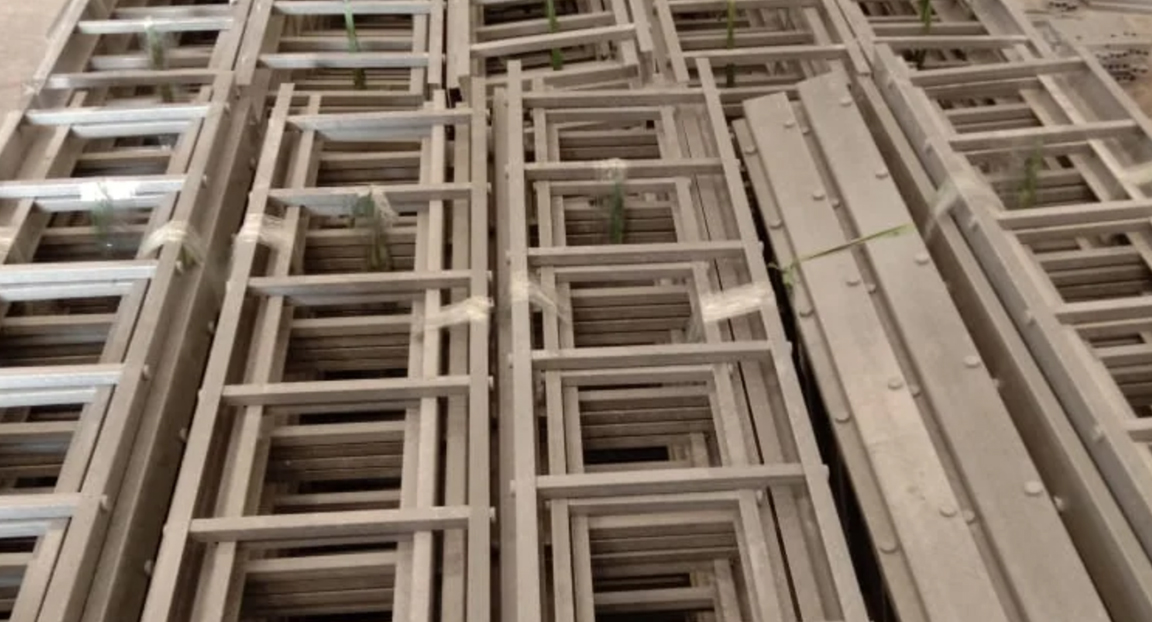
FRP ladder cable tray provides the maximum possible open area, just two side rails and a series of transverse rungs. This gives maximum ventilation for heavily loaded power cable routes and makes cable laying and identification much easier on site. The standard choice for large diameter power cables in offshore topsides and refinery process areas.
Standard dimensions, ratings, and material options for AMROCK FRP cable trays.
| Parameter | Specification |
|---|---|
| Width Range | 50 mm to 900 mm (standard) |
| Depth Options | 50 mm, 75 mm, 100 mm, 150 mm |
| Section Length | 3 metres (standard) |
| Resin, Standard | Isophthalic Polyester |
| Resin, Aggressive Env. | Vinyl Ester |
| Temperature Rating | Up to 130°C continuous |
| Fire Rating | UL 94 V-0 (self extinguishing) |
| Standard Colour | Grey |
| Hazardous Area Colour | Yellow |
| Manufacturing Process | Pultrusion |
The glass resin matrix is not affected by salt spray, H2S, chlorine, acids, alkalis, or industrial solvents, no coating to fail, no maintenance to schedule.
No induced currents, no electrolysis, no earthing complications, inherently safe in classified electrical areas.
Approximately one quarter the weight of equivalent steel trays, reduces structural support loads and makes site installation faster and easier.
Tray width is driven by cable fill ratio, standard practice is 40% maximum fill for power cables to allow heat dissipation, and 50% for control and instrumentation cables. Tray depth is driven by the weight of cables per metre of tray. Support spacing, typically 1500-3000 mm depending on tray width and cable load, determines the structural section required. AMROCK provides cable tray load span tables for every combination of width and depth, so you can confirm the specification before ordering.
All AMROCK FRP cable tray sections and fittings are produced by pultrusion under controlled process conditions. Glass fibre rovings and woven mat are drawn through a calibrated resin bath and then through a precision heated die, producing tray profiles with consistent wall thickness, glass content, and dimensional accuracy. Pull speed, die temperature, and resin viscosity are monitored continuously. Every section is visually inspected and dimensionally checked before packing.
Tell us about your project requirements, and our team will provide a customized quotation with the best solution for your application..